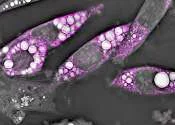
Scientists have uncovered an unexpected side effect of losartan, a medication prescribed to millions of people worldwide to control high blood pressure. In laboratory studies involving mice, the drug appeared to boost the activity of brown adipose tissue — the so-called "good" fat that burns energy to generate heat rather than storing it as excess weight. The animals that received the treatment showed a measurable uptick in metabolism compared with those that did not.
The finding is intriguing because brown fat has long fascinated researchers searching for new ways to tackle obesity and metabolic disease. Unlike white fat, which hoards calories, brown fat acts almost like a built-in furnace, consuming energy and releasing it as warmth. If the same effect can be reproduced safely in humans, losartan could offer a rare two-for-one benefit: lowering blood pressure while gently nudging the body's energy balance. The researchers caution, however, that mouse biology is not human biology, and that far more work is needed before any clinical claims can be made.