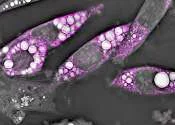
The skin is the body's largest organ, a constantly renewing barrier that protects us from infection, injury and the environment. But new research reveals that this renewal does not happen the same way in everyone: male and female skin follow different rules, a discovery that could reshape how dermatology, wound care and even cosmetic medicine are practised.
Scientists have found that the pace and pattern of skin regeneration differ between the sexes, driven by a combination of hormones, genetics and the behaviour of stem cells that replenish the tissue. These differences may help explain why certain skin conditions, from eczema to autoimmune disorders to wound-healing problems, appear more often — or behave differently — in one sex than the other. The finding is part of a broader realisation that medicine has too often treated the male body as the default, overlooking meaningful biological variation. Recognising that skin has a sex could lead to more precise treatments tailored to each patient, rather than a single approach applied to all.