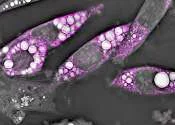
Heart failure is usually understood as a problem of the heart itself — a pump that can no longer keep up with the body's demands. But a growing body of research reveals that the condition reaches far beyond the chest, and a new study uncovers a startling example: heart failure can reshape the bone marrow, training immune cells to carry a lasting memory of immune system's local response to injury or infection — helpful in short bursts, damaging when chronic.">inflammation.
The finding centres on the bone marrow, the factory where the body produces its blood and immune cells. When the heart fails, signals released into the bloodstream appear to alter that factory, priming new immune cells to respond more aggressively to future threats. These reprogrammed cells then circulate through the body, potentially driving persistent inflammation that worsens heart disease and damages other organs. This kind of immune "memory" was once thought to belong only to the adaptive immune system, but the study adds to evidence that the innate system can be trained as well. Understanding this process could reveal new ways to interrupt the cycle of inflammation that accompanies heart failure.