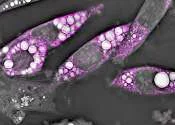
Inside the body, cells are constantly receiving signals that tell them what to become and what to do. The timing of those signals, it turns out, may matter just as much as their content. In miniature models of the gut grown in the laboratory, researchers have shown that simply changing the rhythm of these signals can shift the balance of cell types within the tissue.
The finding offers a window into how the intestine maintains and renews itself, a process that must be tightly controlled to keep the gut healthy. When the rhythm of signalling is altered, the proportions of different cells change, suggesting that the body relies on timing as a kind of language to direct development. Understanding that language could help scientists learn how the gut repairs itself after injury and how disruptions contribute to disease. Because these miniature gut models, known as organoids, mimic real tissue in many respects, the work provides a practical testing ground for ideas that would be difficult to explore in a living person.