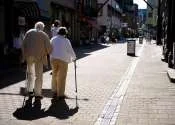
Falls are among the most feared events in later life. A single tumble can lead to a broken hip, a hospital stay, a loss of independence or worse. In response, health systems have invested heavily in personalised programs designed to reduce falls among older people, tailoring interventions to each individual's risks. The most comprehensive research review to date now suggests those efforts may be making little difference.
The review found that personalized fall-prevention programs may not reduce how often older people actually fall, a conclusion that is both surprising and sobering given the resources devoted to them. The finding does not mean that preventing falls is hopeless, but it does cast doubt on the assumption that individualised planning is the key. It may be that the factors driving falls are broader and more stubborn than any single program can address, or that the programs work in theory but falter in practice. The result is a caution against overconfidence. Experts argue it should prompt a rethink of strategy rather than abandonment of the goal, pushing researchers to identify what genuinely helps older adults stay on their feet.