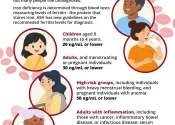
Iron deficiency is one of the most common health conditions in the world, yet many people live with its symptoms for months or even years before receiving a diagnosis. Fatigue, breathlessness, poor concentration and a diminished quality of life are often dismissed or attributed to other causes, allowing a treatable problem to persist unchecked. To address this gap, the American Society of Hematology has set out new standards for diagnosis.
The updated guidance aims to make it easier for clinicians to recognise iron deficiency early and to distinguish it from other conditions that produce similar symptoms. It also emphasises the importance of identifying the underlying cause, since iron deficiency can be a sign of bleeding, poor absorption or other serious problems that require attention in their own right. For patients, clearer standards could mean faster answers and more effective treatment, sparing them the long and frustrating search for a diagnosis. Because iron deficiency is so widespread and so easily corrected once identified, improving how it is detected stands to benefit an enormous number of people at relatively little cost.