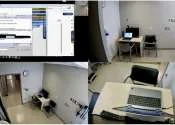
Administrative burden is one of the great frustrations of modern medicine. Physicians spend hours documenting patient visits, time that could otherwise be devoted to care, and the strain contributes to burnout and to the growing shortage of clinicians. New research suggests that artificial intelligence could ease that load, with AI scribes reducing the time doctors spend documenting visits by 69.1 percent during simulated primary care appointments.
The finding is striking for its magnitude. By listening to the conversation and generating clinical notes automatically, the technology frees physicians from the keyboard, allowing them to focus on the patient in front of them. Less time spent typing means more time for eye contact, listening and clinical judgment — the very things that make a good consultation. The reduction in documentation could also help combat the administrative exhaustion that drives many doctors out of practice. The research was conducted in a simulated setting, so real-world results may differ, and questions about accuracy, privacy and clinical responsibility remain. Even so, the results point to a promising way of returning physicians' attention to where it belongs: on patients.