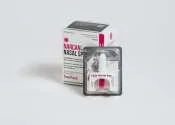
In 2018, Arizona lawmakers took a bold step: clinicians prescribing high doses of opioids were required to also offer naloxone, the fast-acting medication that reverses an overdose, widely known by the brand name Narcan. The policy was controversial at the time, with critics questioning whether it would help or simply add paperwork. New research now suggests the gamble paid off.
By putting the antidote directly into the hands of patients and their families, the law appears to have widened access at the exact moment it was needed most, allowing bystanders to intervene before emergency services could arrive. Researchers examining the aftermath describe a measurable change in overdose outcomes, offering some of the strongest evidence yet that pairing a prescription with a rescue medication can save lives. The findings are being watched closely by other states weighing similar measures, and they add momentum to a broader shift in drug policy — one that treats naloxone not as a last resort but as an everyday safety net.